

In the UK, renting a home comes with its fair share of responsibilities, not least of which is ensuring that any maintenance issues are addressed promptly and effectively. Even though it’s the landlord’s legal responsibility to keep the rental home livable, getting repairs done can occasionally seem like an overwhelming commitment. Brighton letting agents understand that this can be a challenge for many tenants. This guide aims to demystify the process, offering practical advice to renters on how to deal with maintenance issues efficiently.
Understanding Your Rights and Responsibilities
Firstly, it’s really important to know what you can and can’t do as a tenant. Usually, landlords have to fix the outside of the building and things like heating, hot water, and anything to do with the bathroom or kitchen sinks. But, you have to look after the place properly and let your landlord know straight away if anything gets damaged or stops working.
Reporting Issues Promptly
When you encounter a maintenance issue, report it to your landlord or letting agent as soon as possible. It’s best to do this in writing (email is fine) and to include photographs of the issue. This provides a clear record of the problem and when it was reported, which can be helpful if there are any disputes later on.
Follow Up Regularly
If you don’t receive a response, or if the repairs are not carried out within a reasonable timeframe, follow up with your landlord or letting agent. Keep a record of all communication, as this can be crucial evidence if the situation escalates. Remember, persistence is key.
Know When to Escalate
If your landlord is unresponsive or refuses to carry out necessary repairs, you have several options. Contacting your local council’s Environmental Health Department can be a next step; they can inspect your home and force your landlord to undertake the repairs. In extreme cases, you may need to consider legal action, for which you should seek advice from a legal professional or a citizens advice bureau.
Emergency Repairs
If there’s an urgent repair needed, like a gas leak, a big problem with the electricity, or anything else that could be dangerous, you need to get in touch with your landlord right away. If you cannot reach them, check your tenancy agreement as it may include information on how to proceed in case of emergencies.
DIY Repairs
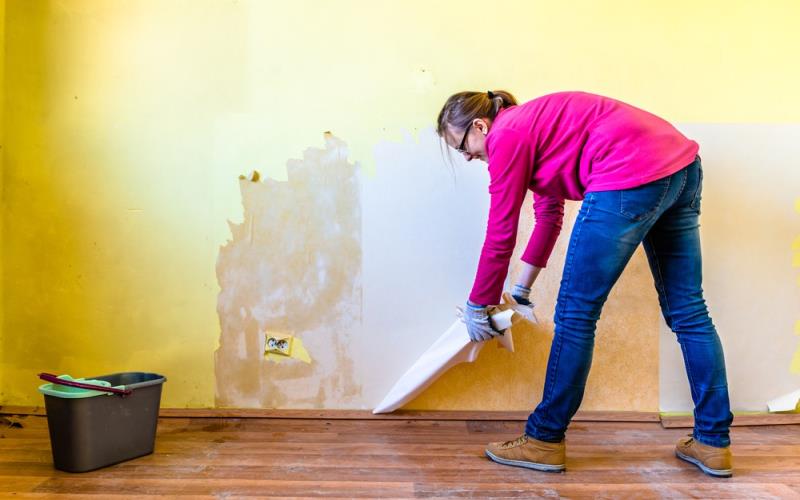
Some minor issues can be quicker and easier to resolve yourself, provided you have your landlord’s agreement. Always ask before attempting any DIY fixes, as doing unauthorised work could lead to disputes or even deductions from your security deposit.
Withholding Rent
Withholding rent in response to maintenance issues is legally risky and should be a last resort. If you are considering this step, seek professional advice first to understand the potential consequences.
Preventive Measures
To minimise maintenance issues, treat the property with care and conduct regular checks. Report problems early, before they worsen, and always ensure good communication with your landlord. tamil bio
Moving Out
If maintenance issues are not resolved and significantly affect your quality of life, moving out may be an option. Check your tenancy agreement for any clauses related to breaking your lease early due to unresolved repairs. Again, professional advice can be invaluable in these situations.
Conclusion
Dealing with maintenance issues as a renter in the UK can be challenging, but knowing your rights, responsibilities, and the proper channels to report and escalate issues can make the process smoother. Effective communication with your landlord or letting agent is crucial, as is maintaining a record of all interactions related to maintenance issues. Remember, you have the right to live in a safe and well-maintained property. By following these guidelines, you can navigate the complexities of getting repairs done, ensuring that your rental feels like home. This guide serves as a starting point for renters facing maintenance challenges. It’s important to stay informed, as regulations can change, and different areas may have specific procedures or protections in place. Ultimately, a proactive and informed approach is your best tool in ensuring a comfortable and secure rental experience.
